When AI asks: 鈥榃hy?鈥� and facilitates critical thinking
Chatbots can be used at scale to mimic the Socratic method in university assessment and guide students to reflect on their thinking and reasoning process
July 28, 2025

Chatbots can be used at scale to mimic the Socratic method in university assessment and guide students to reflect on their thinking and reasoning process

Early-career academics don鈥檛 need senior titles or travel budgets to make a global impact. Here鈥檚 how to use what you have to build international partnerships from the ground up 鈥� starting with your inbox

Librarians can be instrumental in developing students鈥� information literacy. Here鈥檚 how one university library developed a course to improve information literacy skills in healthcare disciplines

The barriers to STEM subjects start long before students apply. From rigid entry requirements to a lack of representation, here are four, with practical ways to build a more inclusive environmental science pipeline

Many institutions must navigate limited resources, uncertainty around tools and questions of capacity if they are to embrace generative AI. This guide outlines six practical, scalable steps that build on expertise and institutional strengths

As new legal duties on free speech come into force, Mark Butterick argues that universities must move beyond token policies and foster a culture where open debate is genuinely protected

Competitive video gaming is growing 鈥� and its power could be harnessed in your classroom. Here鈥檚 how to integrate esports to foster transferable skills in students
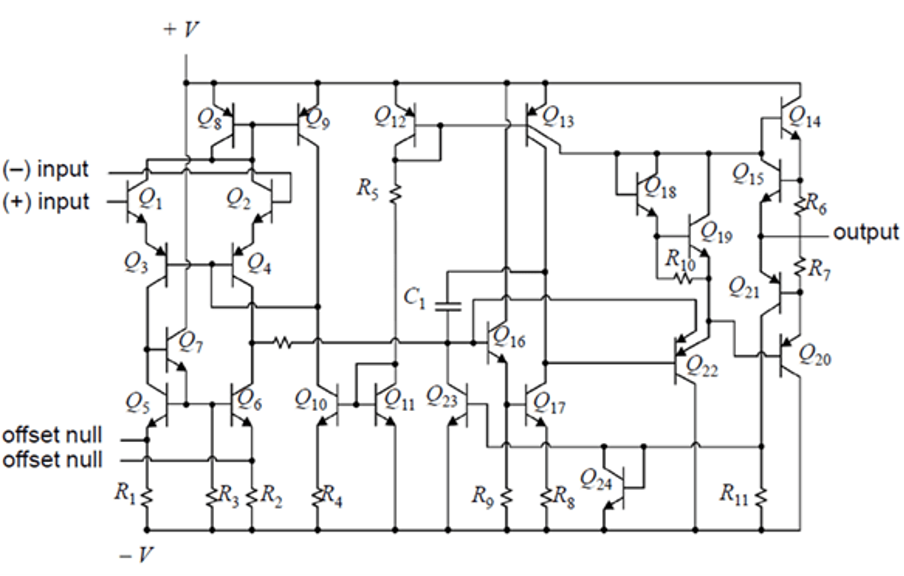
By shifting focus from analysis to design, educators not only better align electronics engineering education with industry needs but also ignite students鈥� creativity and problem-solving capabilities, writes Ji-Jon Sit

What can university educators learn about teaching and audience engagement from social media? Two experts 鈥� a psychologist and a professor of public relations 鈥� share strategies for connecting with students, finding wider audiences for niche research and fighting misinformation

Short courses can give members of the public insight into cutting-edge interdisciplinary research, focusing on issues related to their daily lives. Here鈥檚 how to put them into place

Faced with students鈥� shyness and culture shock, how can English for academic purposes teachers on international branch campuses help them gain confidence in speaking English?
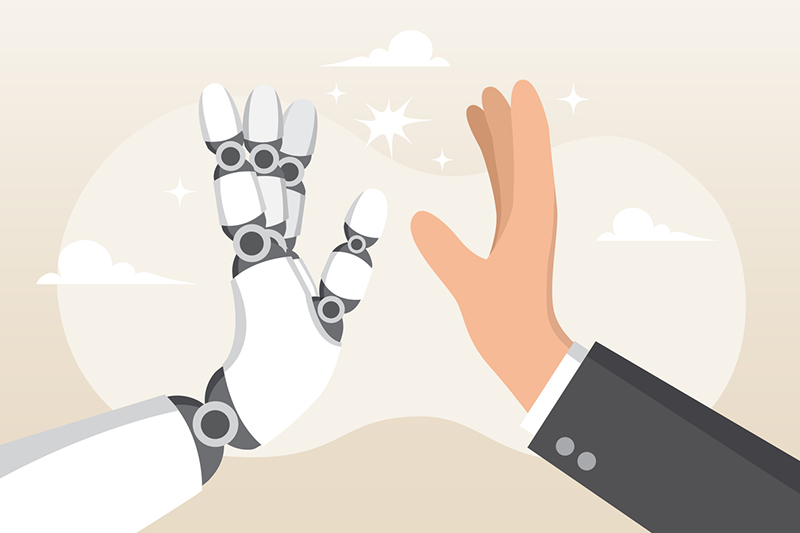
Placing teaching tasks along a spectrum between AI and human strengths can help university educators make use of the best of both worlds

Universities must rethink their approach to digital provision to transform the student experience and overcome innovation challenges

To boost cross-disciplinary collaboration, and in turn social impact, universities need to foster a culture of collaboration and an environment that allows its researchers to take bigger risks
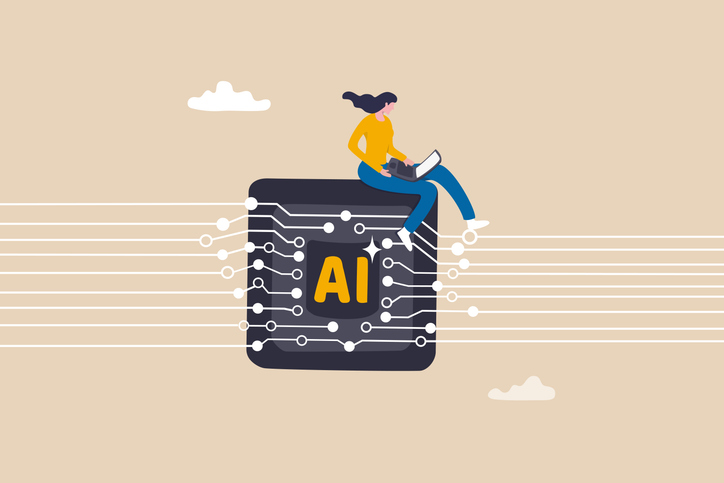
Students are using AI to tackle tasks that could be crucial to intellectual development. How can educators judge which tasks to offload and which ones are important for learning?