Does student attention have a half-life?
Can a theatrical approach to teaching a dry subject free up brain space? Chris Jones uses cognitive load theory to manage when students鈥� attention drifts
August 8, 2026
Can a theatrical approach to teaching a dry subject free up brain space? Chris Jones uses cognitive load theory to manage when students鈥� attention drifts

Despite the amount of student feedback collected, it is not impacting on students鈥� day-to-day lives. How can we change that?

By turning your classes into 鈥榠nteraction rituals鈥�, you could re-energise even the most apathetic of students 鈥� and yourself 鈥� and spark excitement for learning. Allan McCoy explains how

Despite 12 million graduates entering the job market, Chinese companies still lack highly skilled candidates, writes Gerard A. Postiglione. Here, he looks at how the country鈥檚 universities are addressing employment and what its strategies can offer other higher education systems

How to embed short, structured company projects into courses, from securing institutional support to building lasting relationships with external organisations

Practical insights to support effective collaboration across research, teaching and the running of an institution

A single course design choice helped make AI literacy intrinsic and opened up a way to level the playing field educationally

Virtual international collaboration can develop intercultural competence and critical thinking skills. Here are strategies that help make these experiences valuable

If you want the robots and LLMs to find your scholarly publications, you need to make your outputs legible, connected and repeatedly encountered
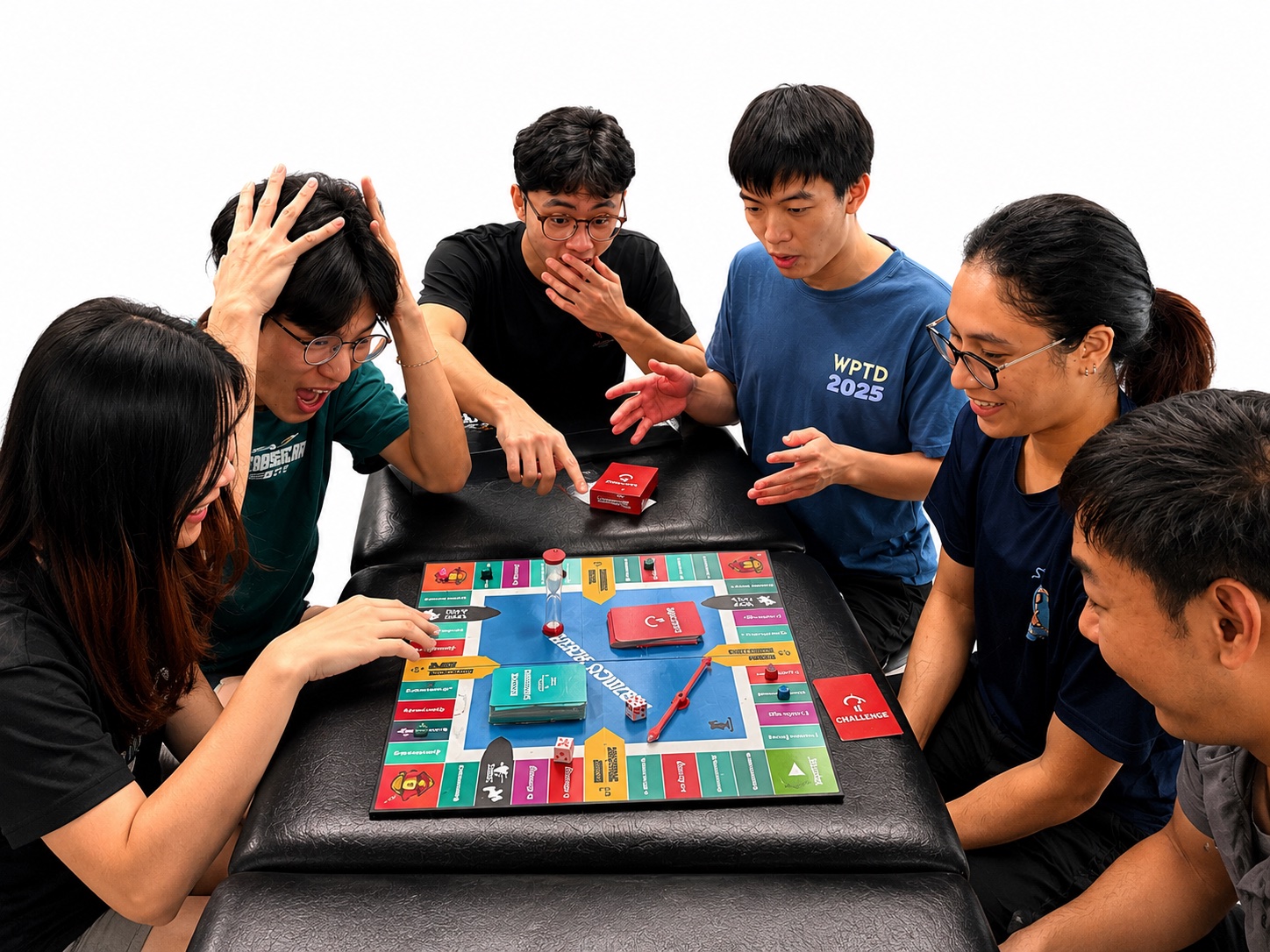
Are your students struggling with role play? Game-based learning can offer structure, safety and feedback, especially when combined with AI support. Here鈥檚 how

Five lessons from a Ghana-focused project that addressed the gendered conditions of academic work to give women the tools needed to participate fully and progress

When institutions highlight that commitment to learning, research and service to the broader public good is shared across campus, they help students and educators see themselves as part of a collective endeavour rather than isolated participants

Practical tips for transforming traditional assignments, research projects and graduate theses into opportunities to connect students with real-world stakeholders

If traditional assessment methods feel limited, Temesgen Kifle shares alternative ways to measure students鈥� understanding and ability to apply learning to authentic problems

Bringing together cross-disciplinary research teams, government and industry on a single project will need strategic management from the beginning. Here鈥檚 how